
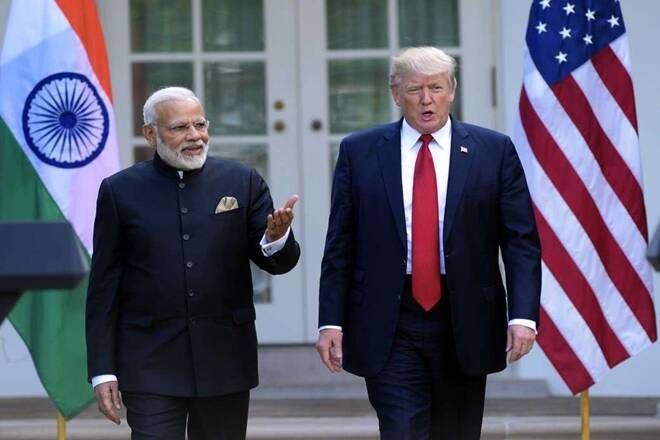
In a huge fillip to Indian exporters and the overall India-US trade relationship, reports indicate that New Delhi and Washington are close to sealing a trade pact that could significantly cut US import tariffs on Indian products. The deal would reduce tariffs from the existing punitive rate, which had gone as high as 50%, to much more competitive levels of 15-16%.
Reviving Key Indian Export Sectors
This deep tariff reduction is likely to bring instant life to a number of major sectors that were badly affected by the latest high tariffs. Labour-intensive sectors, such as garments, textiles, gems, jewellery, and leather items, whose US exports have declined drastically, would benefit the most. A lowering to the 15-16% level would immediately make Indian goods price-competitive against competitors in the US market, propelling a much-needed increase in export orders and fueling job growth. This action would squarely conform to the Indian government’s “Make in India” program.
The Geopolitical and Economic Balancing Act
The deal is not solely economic. Reports state the trade agreement entails a strategic concession, mainly on energy and agriculture. Under the terms of the deal, India is said to be contemplating a phase-out of its Russian crude oil imports. The shift accommodates US geopolitical interests while New Delhi aims to diversify its energy supply.
As a reciprocity, India can permit larger imports of certain US farm products, like non-GM corn and soymeal, correcting long-standing market access grievances of American farmers.
Implications and Future Outlook
The likely completion of this long-awaited trade agreement—hopefully to be announced at the next ASEAN Summit—represents the biggest breakthrough in bilateral trade relations in years. With trade between the two nations already at over $200 billion, this reduction in tariffs is a sign of renewed cooperation and mutual economic vision. Though the deal necessitates India to balance sensitive sectors of its economy and a precarious geopolitical equilibrium, the promise of an estimated multi-billion dollar increase in exports offers a powerful incentive for successful completion, solidifying India as a key player in the global economic table
About the Author
